
Retaining Wall Installation in Central
Kentucky
Excavation, Grading & Custom Retaining Walls Built to Last
If you’re dealing with a sloped yard, drainage issues, or unusable space on your property, a retaining wall can completely change how your land functions. At D&B Land Clearing, we install high-quality retaining walls throughout Central Kentucky, including Elizabethtown, Bowling Green, Glasgow, Lebanon, Columbia, KY, and surrounding areas.
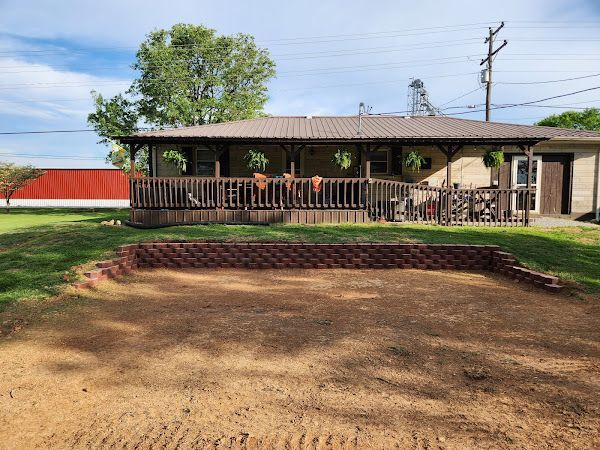
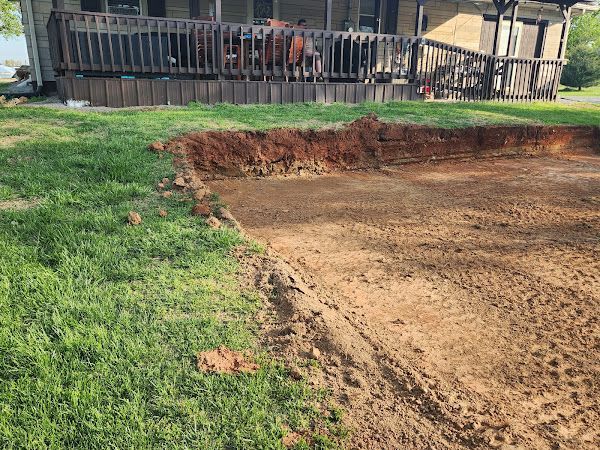
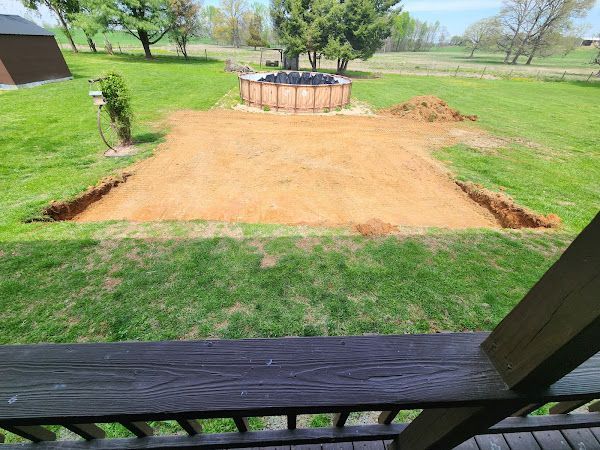
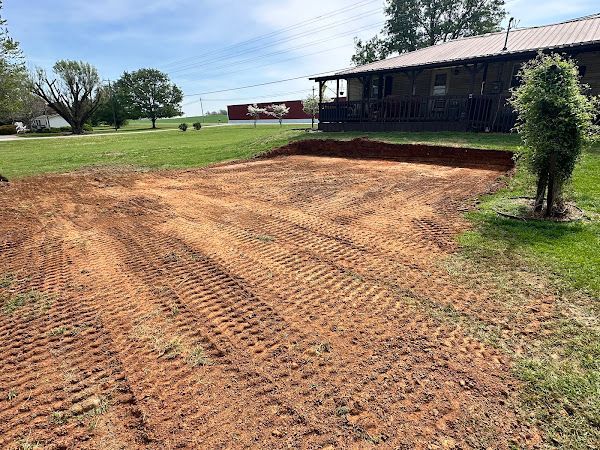
What sets us apart is that we don’t just “stack blocks.” Every retaining wall project starts with proper excavation and grading. That foundation work is what determines whether your wall lasts for decades or starts shifting after a few seasons. With our background in land clearing and site prep, we make sure your wall is built the right way from the ground up.
Built Around Your Land, Not a Template
Every property in Central Kentucky is different. Soil conditions, elevation changes, and water flow all play a role in how a retaining wall should be designed and installed.
We take the time to evaluate your land, cut and level the area as needed, and build a wall that actually solves the problem—whether that’s holding back soil, creating flat usable space, or improving the overall layout of your property. From natural stone looks to modern block systems, we can match the style to your goals while keeping durability front and center.
Solve Drainage Problems the Right Way
A lot of retaining wall issues come down to poor drainage. Without a plan for water flow, pressure builds up behind the wall and leads to failure over time.
That’s why drainage is built into every project we take on. We make sure water is directed away from the wall and your property, helping prevent erosion, pooling, and long-term damage. This is especially important in areas like Bowling Green and Elizabethtown, where heavy rains and rolling terrain can quickly create runoff problems.
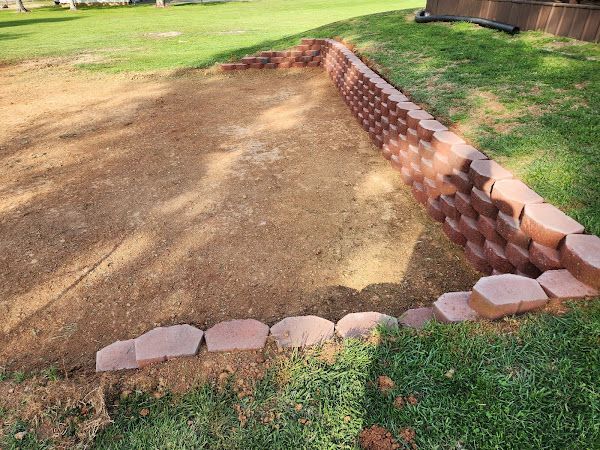
Turn Sloped Ground Into Usable Space
One of the biggest benefits of a retaining wall is how much more usable your property becomes. Areas that were once too steep or uneven can be transformed into level ground for landscaping, outdoor living spaces, or future projects.
Homeowners across Central Kentucky use retaining walls to open up their yards, improve curb appeal, and make their land more functional without major reconstruction. It’s one of the most practical upgrades you can make if your property has elevation challenges.
Local Experience You Can Rely On
As a Central Kentucky company, D&B Land Clearing understands the terrain, soil conditions, and drainage challenges unique to this region. We bring the equipment, experience, and attention to detail needed to handle everything from excavation to final installation.
Our goal is simple: build retaining walls that look great, function properly, and hold up long-term.
Serving Central Kentucky
We provide retaining wall installation throughout Elizabethtown, Bowling Green, Glasgow, Lebanon, Columbia, Greensburg, and surrounding communities across Central Kentucky.
Get a Free Estimate
If you’re thinking about adding a retaining wall or fixing an issue with your property’s layout or drainage, we’re here to help. Reach out today for a free estimate and we'll take a look at your land and walk you through the best approach.
Frequently Asked Questions
How do | know if I need a retaining wall?
If your property has slopes, erosion issues, or areas where water pools after rain, a retaining
wall is often the best long-term solution. It can stabilize the land and improve drainage at the same time.
What types of retaining walls do you install?
We install a variety of retaining wall systems, including block, stone, and other durable
materials. The best option depends on your property, budget, and the look you want to achieve.
How long does a retaining wall last?
When properly excavated, graded, and installed with drainage in mind, a retaining wall can last for decades. The key is doing the foundational work correctly, which is where our experience comes in.
Do retaining walls help with drainage?
Yes, but only if they’re built correctly. We incorporate drainage solutions into every project to make sure water doesn’t build up behind the wall or cause future issues.
Can you fix or replace an existing retaining wall?
Absolutely. If your current wall is leaning, cracking, or failing, we can assess the situation and recommend repair or full replacement depending on the condition.
How much does a retaining wall cost in Central Kentucky?
Costs vary depending on the size of the wall, materials used, and the amount of excavation and grading required. We provide free estimates so you know exactly what to expect before any work begins.